




15
+
YEARS OF
EXPERIENCE
1000
+
SUCCESSFUL
Projects
80
+
Satisfied
Clients
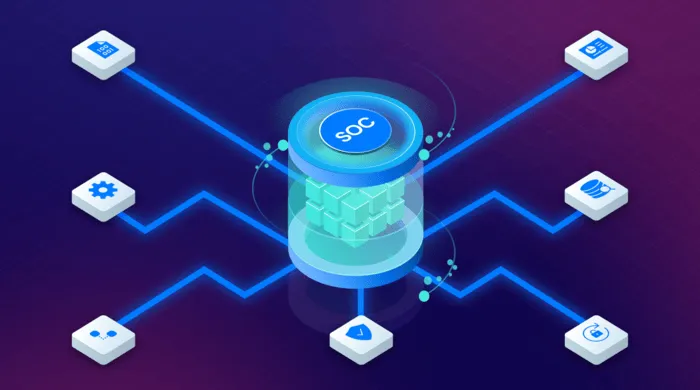
In today’s rapidly evolving cyber threat landscape, Security Operations Center (SOC) tools play a pivotal role in safeguarding organizations from attacks. Selecting the right SOC toolset can dramatically influence detection efficiency, incident response, and overall cybersecurity posture. This article explores a complete comparison of leading SOC tools, helping IT professionals and decision-makers understand their features, benefits, and challenges to make informed choices tailored to their unique security needs.
Understanding SOC Tools Comparison: Key Features and Market Leaders
Security Operations center tools form the backbone of modern cybersecurity defenses, enabling continuous monitoring, threat detection, and streamlined incident response. When comparing SOC tools, the primary focus tends to be on capabilities such as real-time threat intelligence integration, advanced analytics, automation, and scalability. Leading market players incorporate Security Information and Event Management (SIEM), Security Orchestration, Automation and Response (SOAR), and endpoint detection to create comprehensive platforms that enhance SOC efficiency. Evaluating these tools involves analyzing factors like ease of integration with existing infrastructure, user interface intuitiveness, alert accuracy, and customization options. For example, tools like Splunk, IBM QRadar, and Microsoft Sentinel have emerged as industry favorites due to their robust data ingestion capabilities and extensive threat intelligence feeds. However, aligning tool capabilities with organizational requirements and budget considerations remains essential. The right SOC toolset not only improves visibility but also accelerates response times, reducing the risk of prolonged exposure to threats. For enterprises aiming to strengthen their security posture, thoughtful SOC tools comparison is a critical step in selecting solutions that fit both current and future operational needs.






Evaluating SOC Tools: Benefits, Challenges & Implementation Guide
Use this structured guide to assess SOC tools effectively and align them with your organization’s security goals.
Key Benefits of Modern SOC Tools
- Automated Threat Detection – Leverages AI/ML to identify threats faster and with greater accuracy.
- Centralized Incident Management – Streamlines investigations through unified dashboards and workflows.
- Enhanced Compliance Reporting – Simplifies regulatory audits with automated logs and reports.
- Reduced Manual Workload – Allows security teams to shift focus toward strategic threat hunting.
Challenges to Consider
- Integration Complexity – Difficulty connecting with outdated legacy systems.
- High Deployment Costs – Substantial upfront investment and ongoing maintenance expenses.
- Continuous Tuning Required – Necessary to reduce false positives and maintain detection accuracy.
- Resource Constraints – Skill gaps and staffing limitations make fully managed or cloud-native SOC tools (e.g., Microsoft Sentinel) more appealing.
Implementation Best Practices
- Define a Clear SOC Vision – Establish goals, success metrics, and operational boundaries.
- Engage Cross-Functional Teams – Involve IT, security, compliance, and DevOps during planning.
- Provide Continuous Training – Upskill analysts to keep pace with evolving cyber threats.
- Consider Hybrid Approaches – Combine on-premises and cloud-based SOC tools to match business needs.
- Evaluate Vendor Support – Ensure long-term compatibility, scalability, and responsiveness.
With guidance from Cloud Technologies (TechCloud IT Services L.L.C), organizations can adopt adaptable, well-supported SOC solutions that maximize ROI and future-proof their security operations.

Choosing a SOC solution that aligns well with your habitat is critical. From seamless integration and user-friendly dashboards to advanced automation capabilities, these factors ensure that SOC tools do not merely gather data but transform it into actionable intelligence, enabling proactive defense mechanisms.
Practical SOC Tools Comparison: Case Studies and Real-World Applications
Examining real-world case studies offers invaluable insights into how different SOC tools perform under various operational scenarios. As an example, a multinational financial firm deployed IBM QRadar to handle it’s complex network traffic, benefiting from complex anomaly detection and comprehensive audit trails, which enhanced regulatory compliance. Conversely, a mid-sized e-commerce company leveraged Splunk’s flexible architecture combined with SOAR capabilities to automate incident response workflows, significantly reducing mean time to detect (MTTD) and mean time to respond (MTTR). Additionally, TechCloud IT Services L.L.C has worked closely with regional clients to implement Microsoft Sentinel, capitalizing on its cloud scalability and integration with Azure services. These implementations highlight the critical role of tailored SOC tools selection that addresses specific industry requirements, data volumes, and threat landscapes. The case studies also demonstrate that continuous assessment and iteration improve SOC effectiveness over time. Clear communication between security teams and vendors coupled with hands-on training ensures that organizations extract maximum value from their SOC investments, ultimately strengthening resilience against sophisticated cyberattacks.

answer time
satisfaction
score
on initial call
same business
day
Future-Proofing Security: Final Thoughts on SOC Tools Comparison
As cyber threats grow increasingly sophisticated, the importance of selecting the right SOC tools becomes paramount. Throughout this article, we have highlighted how a well-informed SOC tools comparison enables organizations to align technology capabilities with evolving security challenges. Implementing the right SOC solutions not only improves visibility and accelerates response times but also builds a proactive, adaptive defense strategy. At Cloud Technologies, operating as TechCloud IT Services L.L.C, we specialize in guiding businesses through this complex decision-making process, ensuring that SOC tools integrate seamlessly with existing environments while scaling for future needs. We encourage security leaders to partner with experienced professionals who understand both the technical intricacies and business imperatives of SOC deployment. To explore customized SOC solutions tailored for your organization’s unique requirements, we invite you to connect with us today. Your security is an investment-make it a strategic advantage.